Caucasity Audacity: Secretary Of Defense Pete Hegseth Blocked Advancement Of Black And Women Army Officers
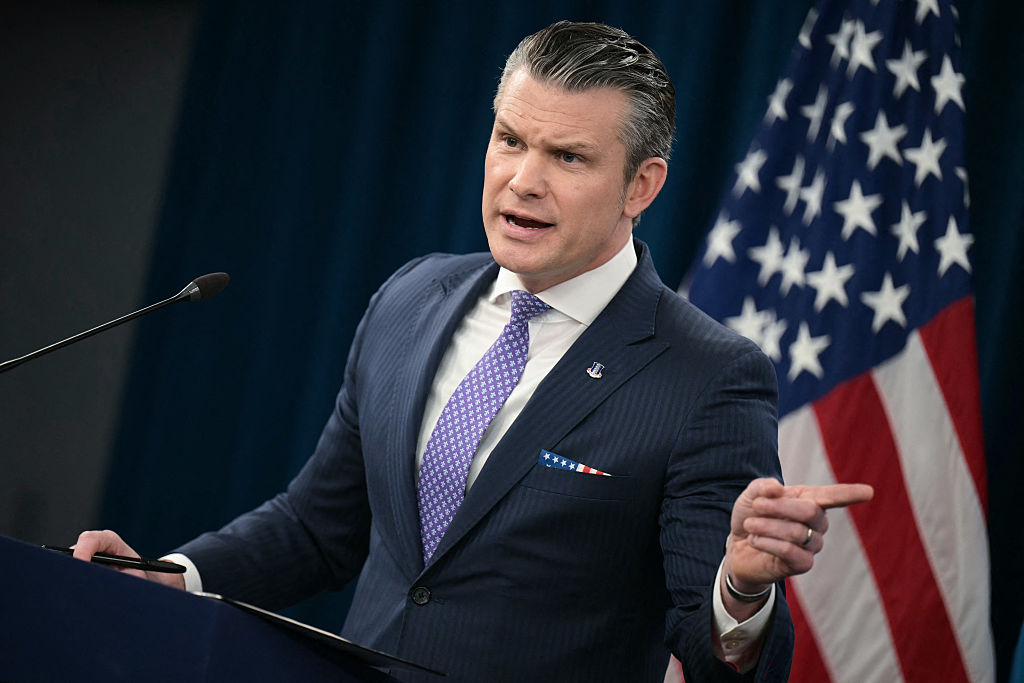
This is likely the least surprising thing you’ll read all day, however, that doesn’t make it the least infuriating…
The reporting from NPR and NBC News exposes a deeply troubling pattern inside the Trump administration’s Pentagon—one that goes well beyond routine personnel decisions and instead reveals a politicized assault on the very idea of merit within the U.S. military.
According to NPR, Defense Secretary Pete Hegseth took the extraordinary step of directly intervening in the Army’s promotion process to block multiple officers from advancing, including at least four slated to become one-star generals—two Black men and two women. This is a dramatic break from long-standing norms, where promotion lists are approved as a whole, not selectively altered to target individuals. NPR further reports that additional officers—a Black colonel and a female colonel—were also removed, bringing the number of blocked promotions to at least six.
The administration’s justification—“meritocracy”—quickly falls apart under scrutiny. As the reporting makes clear, these officers had already been vetted and selected through established processes based on their qualifications and performance. Lawmakers on the Senate Armed Services Committee warned that removing officers on the basis of race or gender would not only be outrageous but potentially illegal. The implication is hard to ignore: this is not about merit, but about ideology.
NBC News reinforces that conclusion, reporting that Hegseth intervened in the promotion pipeline for more than a dozen senior officers, disproportionately impacting Black and female candidates. Taken together, the reporting suggests a deliberate effort to reshape military leadership along political and cultural lines aligned with Donald Trump’s broader war on diversity, equity, and inclusion.
That ideological campaign is not happening in isolation. Before taking office, Hegseth openly attacked DEI initiatives, arguing they weakened the military and calling for the removal of leaders associated with them. In power, those views appear to have hardened into policy—blocking promotions, sidelining qualified officers, and narrowing the path to leadership for anyone who does not fit a preferred mold.
And against this backdrop, Hegseth’s own judgment raises additional concerns. Reports of his involvement in leaked personal Signal chat messages point to a troubling carelessness with sensitive communications. The contrast is stark: while qualified officers are pushed aside under the guise of maintaining “standards,” the leadership making those decisions appears willing to disregard basic operational discipline.
The insidiousness of this effort lies in its framing. By invoking “merit,” the administration attempts to invert reality—suggesting that excluding qualified Black and female officers somehow restores fairness. In practice, it does the opposite. It erodes trust, signals that advancement may hinge on identity rather than excellence, and undermines the military’s commitment to equal opportunity.
What emerges from the reporting is not just interference, but a deliberate restructuring of military leadership—one rooted less in readiness than in resentment, and one that risks leaving the armed forces weaker, less representative, and more politicized than ever.
The post Caucasity Audacity: Secretary Of Defense Pete Hegseth Blocked Advancement Of Black And Women Army Officers appeared first on Bossip.
